
How to Make GBP Posts That Actually Help You Rank for Success
A Simple System for Local Visibility**
By the time you finish reading this tutorial on how to make GBP posts that actually help you rank, you will have a step by step system for grabbing local attention and boosting your search presence. Whether you run a coaching business, consult for clients or manage a small agency, you can use these tactics to showcase what you do and attract more local enquiries without burning hours you do not have.
A few months ago I stepped back from social media completely. No posting, no trying to stay visible, no brand building. I wanted to see if an SEO focused approach could carry a business without any online performance. This was my first full SEO project from start to finish, and I used it to test everything I had learned. Local SEO systems, service SEO, metadata improvements, GBP optimisation and simple processes that feed into your CRM or GoHighLevel setup.
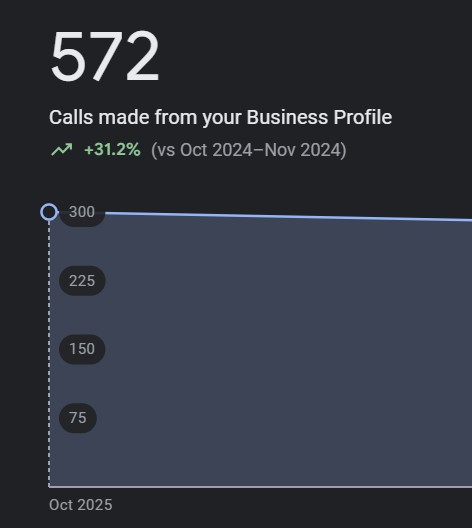
It worked. Search impressions grew. Calls increased. Visibility improved. Google Business Profile became a reliable driver of enquiries instead of an empty profile sitting in the background.
The steps were not complicated. They were consistent.
Here is the same approach you can use.
Step 1: Identify your goals
Before you create a GBP post you need to know why you are posting it. A post becomes effective when you tie it to a specific outcome.
Decide what you want to achieve
You might want:
more calls
more form submissions
more booked appointments
more visibility for a service you want to promote
Pick one goal at a time.
Research your audience
Look at real information instead of guessing.
what people ask during enquiries
what appears in your CRM notes
search phrases that show up in Search Console
common problems people have before they buy
These clues tell you which topics matter.
Align posts with the services your clients actually need
Your GBP posts should guide people toward the problems you solve in a way that helps someone like your typical client recognise themselves instantly.
Most of your audience are not searching for terms like SEO audits or automation systems. They are looking for clearer processes, fewer missed enquiries and a business that feels less chaotic behind the scenes. They want calls and messages to be handled properly without manual follow up. They want their service to appear when someone searches locally. They want to know they are not losing opportunities.
So your GBP posts should speak to those outcomes. For example:
If people say they struggled to find you, here is something to check
If enquiries keep slipping through the cracks, here is a quick fix
A good post reinforces the type of work you do by addressing the practical frustrations your clients deal with daily. This keeps the post relevant and quietly supports your wider SEO system.

Step 2: Plan your content
GBP posts are short but planning helps you make them clearer and more useful.
Choose a relevant topic
Base it on a real client question, a common misunderstanding or a service that needs more visibility.
Outline your main points
Keep a simple structure.
a hook
one useful point
one clear call to action
Do not try to fit too much into one post.
Craft a clear hook
Start with a question, a quick tip or a simple scenario that relates to your service.
Choose your call to action
Examples include:
Call now
Learn more
Book
Request an audit
Pick the one that supports the goal.
Select your imagery
Use a clean photo or screenshot that represents the service or your process. Make sure it is clear and not stretched.
Step 3: Publish to GBP
Publishing correctly gives Google more context about what you do which helps your local ranking.
Add your text
One hundred and fifty to two hundred and fifty words is usually enough. Write naturally and include relevant phrases where they make sense. Local SEO systems, service SEO, CRM automation and GoHighLevel SEO can all appear naturally if that is the work you do. The aim is clarity rather than keyword stuffing.
Choose the right CTA
Use the button that best matches your goal. Deep links work better than sending people to your homepage.
Upload your image
Check the quality and relevance.
Check the preview
Make sure the text reads clearly and the CTA is visible.
Publish at the right time
If your audience tends to search early in the week, post early in the week. Consistency matters more than timing but timing can help.
Step 4: Monitor and refine
GBP requires light ongoing refinement rather than guesswork.
Review post insights
Look at how many views a post received, whether actions increased and if the post supported your original goal.
Gather feedback
Ask clients how they found you. Look at your CRM. Notice repeated questions. These insights shape your next posts.
Experiment with structure
Try shorter copy, longer copy or different hooks and CTAs until you see what works best.
Keep GBP in your regular SEO checks
Categories, services, name, address, phone and links should remain consistent with your website. Small inconsistencies can weaken your local signals over time.
Bringing it together
GBP posts do not need to be complex. They just need to be intentional and consistent. When I applied this method inside a Belfast SEO project, GBP was one of the areas that produced a noticeable improvement. Their year on year calls increased by roughly thirty one percent, alongside ongoing increases in website clicks and overall interactions. A lift like that creates a more active pipeline for any small or medium sized business, and it came from simple SEO systems rather than constant content creation.
If you want to explore the tool I use to run these small SEO systems and keep everything organised without adding more workload, you can find it 👉HERE